5 · 五行 (Wu Xing) — The Five Phases
五行 (Wu Xing) is commonly called the Five Elements, but the Five Phases better conveys their changing, relational nature. Wood, Fire, Earth, Metal, and Water describe patterns of movement and transformation rather than merely five static substances. We encounter these phases in the seasons, in classical Chinese medicine, and in the rhythms of growth, flourishing,…

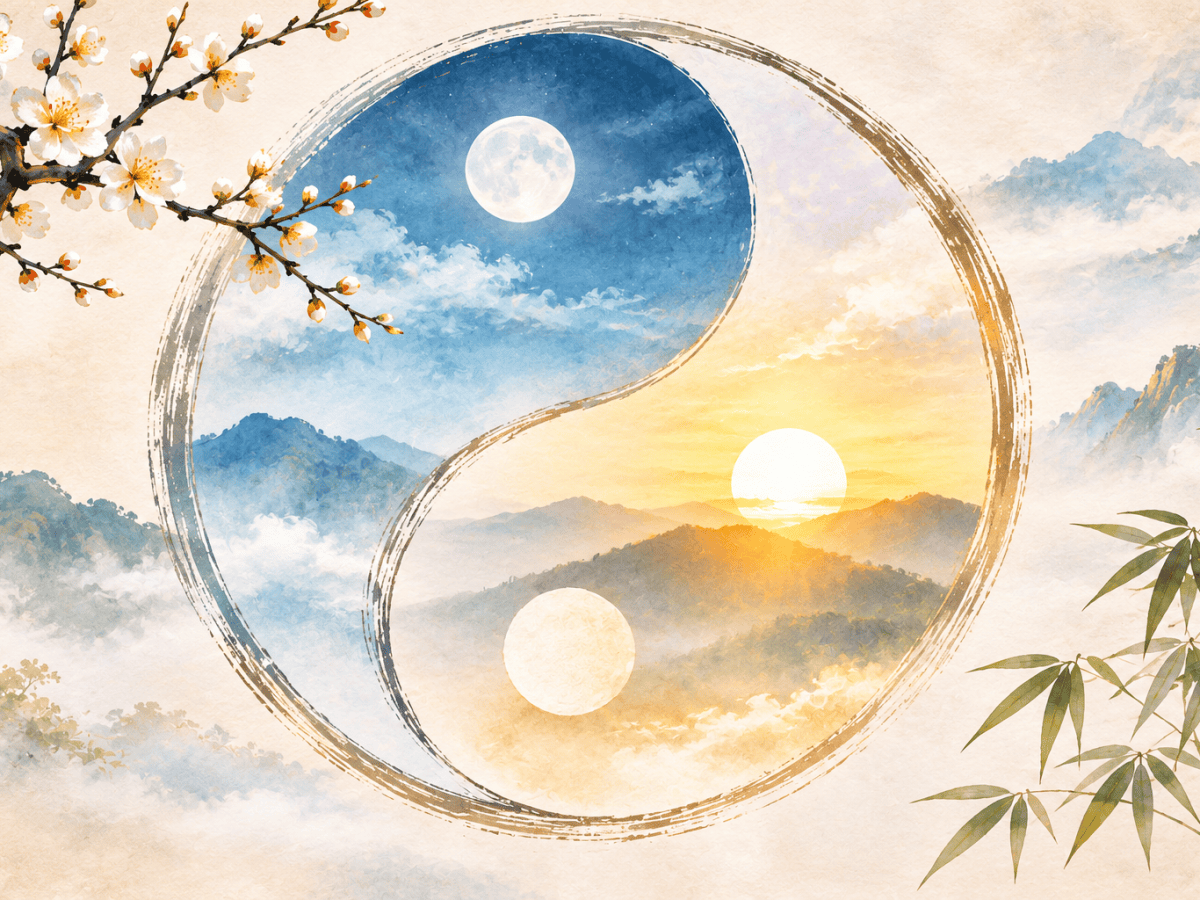
2 · 陰陽 (Yin Yang) — Polarity
陰陽 (Yin Yang) describes the complementary, ever-changing polarities through which we observe life: night and day, rest and activity, coolness and warmth. These are not fixed opposites, but relationships that depend on context and continually transform into one another. We can see this movement in the seasons, in the body, and in our everyday lives.…
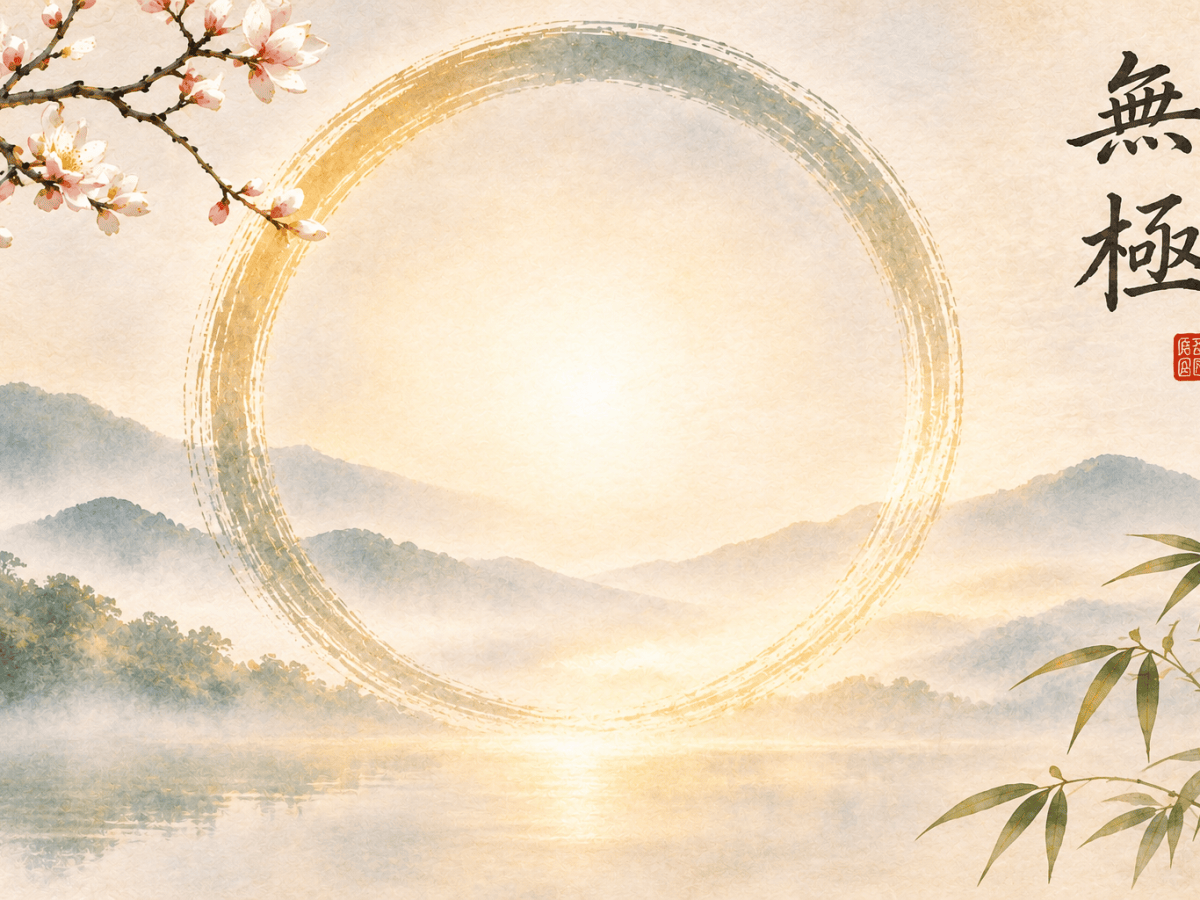
1 · 無極 (Wu Ji) — The Primordial Source
無極 (Wu Ji) is often translated as the limitless or the state without polarity. In classical Chinese cosmology, it points toward what lies beyond the distinctions through which we ordinarily experience the world. Before we speak of 陰陽 (Yin Yang), perhaps we should contemplate what it means for there to be no division at all.…

